Check Your Veins: Simple DIY Vein Health Checks at Home
 Check Your Veins: Simple DIY Vein Health Checks at Home
Introduction
Checking your veins is a crucial step in maintaining good health, particularly as you get older or if you have risk factors for venous diseases. This detailed guide will show you how to simply yet effectively check your veins at home. By understanding and monitoring your vascular health regularly, you can take proactive steps to manage and care for your veins effectively.
The Importance of Regular Vein Checks
Veins play a vital role in your circulatory system, carrying blood back to the heart. Healthy veins mean a well-functioning circulatory system. Over time, however, veins can experience issues like weakening or damage, especially in the legs. This can lead to common problems such as varicose veins or deep vein thrombosis (DVT). Regularly checking the condition of your veins can help you catch such issues early, allowing for timely intervention and management.
How to Perform a Visual Inspection: Check Your Veins
One of the simplest ways to check your veins is through a visual inspection:
- Find a well-lit area: Good lighting is essential to see clearly.
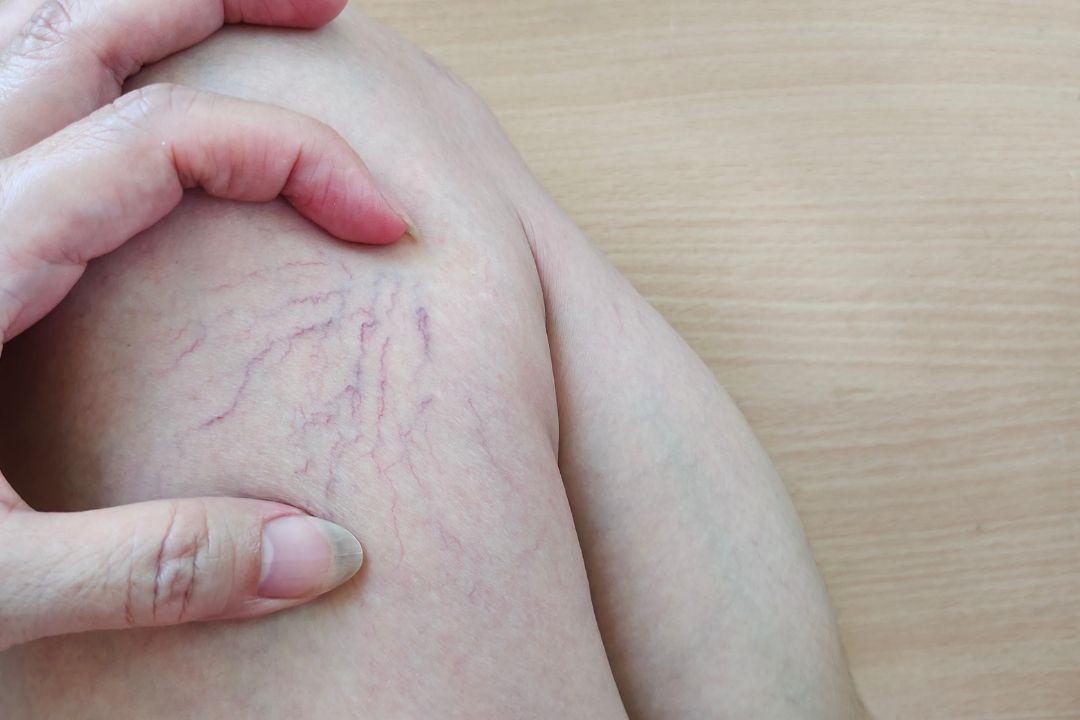
- Look for visible changes: Examine your legs and feet for any noticeable changes such as enlarged veins (varicose veins), clusters of blue or red veins (spider veins), swelling, or changes in skin color around the veins.
- Note any new developments: Be alert to any new or worsening vein patterns, skin discolorations, or areas where the skin may feel warmer to the touch.
The Palpation Technique
Palpation involves gently pressing along your legs to feel for any abnormalities:
- Apply gentle pressure: Using your fingertips, softly press along the length of your legs.
- Feel for abnormalities: Pay attention to any areas of tenderness, warmth, or hardness under the skin, which might suggest thrombophlebitis or other vein issues.
Recognizing Symptoms of Vein Issues
Aside from visual cues, certain symptoms can also indicate vein health issues:
- Leg discomfort: Symptoms like leg heaviness, aching, itching, or cramping, particularly after long periods of standing or sitting, can be signs of venous insufficiency.
- Changes in sensation or color: Look for any unusual sensations in your legs or changes in skin color, which might indicate circulation problems.
When to Seek Professional Advice
If you notice persistent or concerning signs during your checks, such as sudden swelling, severe pain, or significant changes in vein appearance, consult a healthcare professional. They can perform more comprehensive examinations and offer appropriate advice or treatment. This is particularly crucial if you experience sudden changes, which could be signs of more serious conditions like deep vein thrombosis (DVT).
Lifestyle Modifications for Vein Health
In addition to regular checks, maintaining a healthy lifestyle can significantly contribute to vein health:
- Stay active: Regular physical activity can improve circulation and vein health. Low-impact exercises like walking or swimming are particularly beneficial.
- Eat a balanced diet: Incorporate foods rich in antioxidants, fiber, and hydration to support vascular health.
- Manage weight: Maintaining a healthy weight can reduce the pressure on your veins.
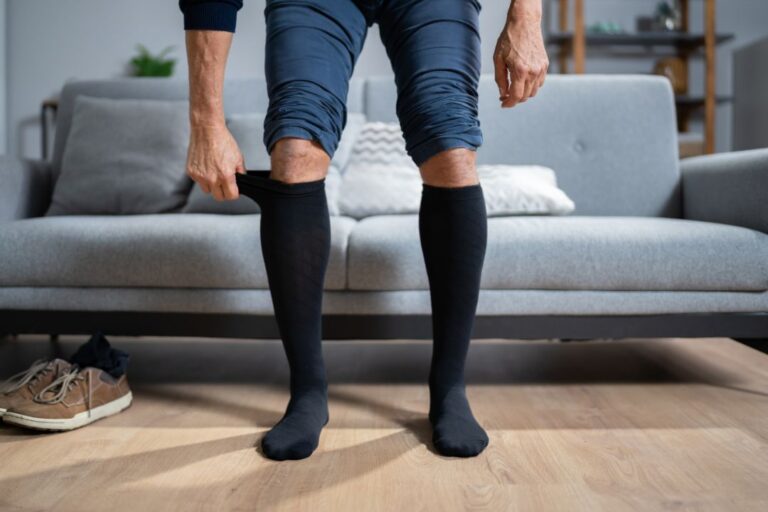
- Consider compression stockings: If recommended by a healthcare provider, compression stockings can help improve circulation and alleviate symptoms of vein issues.
Frequency of Vein Inspection
Performing regular DIY vein health checks, along with maintaining a healthy lifestyle and seeking professional medical advice when necessary, is key to managing and maintaining healthy veins. By being proactive about your vein health, you can help prevent more serious complications and ensure better overall vascular wellness. It’s important to remember that these DIY checks do not replace professional medical evaluations but serve as a helpful tool in your overall health maintenance strategy.
Remember, early detection is crucial for effective management of vein health. If you have a family history of vein issues or if you start noticing signs of vein problems, don’t hesitate to consult a healthcare provider. They can offer more advanced diagnostic tools and treatments.
Check Your Veins: Monitoring Changes Over Time
It’s beneficial to keep a record of your observations when you check your veins. Documenting any changes, no matter how small, can be helpful during medical appointments. It also helps you understand the progression of your vein health over time.
Stress Management and Vein Health
Chronic stress can adversely affect your vein health. Practices like yoga, meditation, or even regular walks can help manage stress levels. Managing stress is not just beneficial for your mental health but can also have positive effects on your physical health, including your veins.
Staying Informed and Empowered
Educating yourself about vein health and staying informed about the latest advancements in vein care can empower you to make better health decisions. Attend community talks, read up on vein health, or discuss with healthcare professionals to stay informed.
The Role of Hydration
Proper hydration is essential for maintaining good vein health. Dehydration can lead to thicker blood, which can increase the risk of clotting. Make sure to drink enough water throughout the day, especially if you live in a hot climate or are physically active.
Conclusion
Incorporating regular DIY vein health checks into your routine is a simple yet effective way to monitor your vascular health. When combined with a healthy lifestyle, stress management, and professional medical advice, you can actively contribute to maintaining healthy veins and overall wellness. Being proactive and informed about your vein health is an integral part of leading a healthy life.