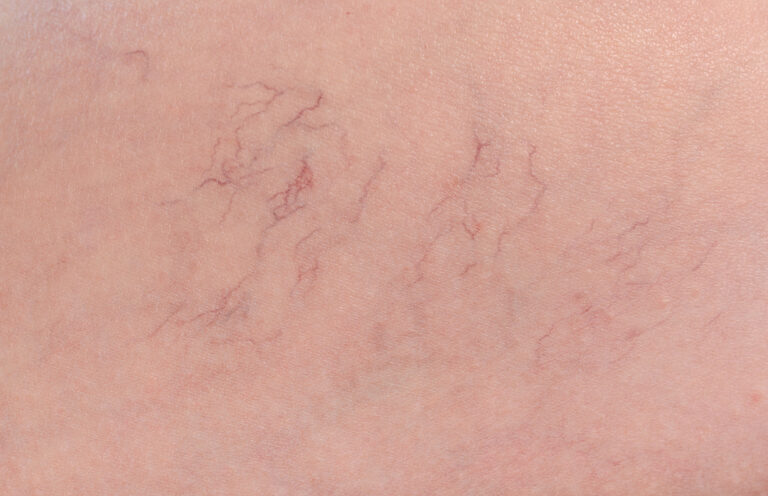
Top Risk Factors for Chronic Vein Insufficiency
The six chronic vein insufficiency risk factors
Many different factors can impact your vein health. Here are the things that can greatly increase the risk of chronic venous insufficiency (CVI):
- Age: Your veins inevitability weaken as you get older. It’s just a fact of life. In relation CVI, your risk increases every year past the age of 50.
- Obesity: Weight problems can lead to many different health issues, not just those affecting the vascular system. The more extra weight you carry, the more strain is placed on the veins. This can cause them to malfunction. High levels of fat and sugar in the diet contribute to the formation of plaque and clots in the veins.
- Smoking habit: Ever since tobacco companies were finally held accountable for health risks associated with smoking, more evidence has been uncovered of the wide-ranging negative effects it can have on your health. Not only can it cause potentially fatal respiratory conditions like lung cancer and COPD, but it can also lead to CVI and other vein issues. Smoking weakens your vein walls, impairing blood-flow and vein function.
- Family History: Having a genetic predisposition means the chances of CVI developing is much higher. That means ff your relatives have had issues with vein problems, you’re much more likely to develop them yourself.
- Hormonal fluctuations: Hormonal changes like menopause, pregnancy, and HRT, cause your vein walls to become increasingly strained and weakened. As you have seen, this sometimes leads to CVI, varicose veins, and other cardiovascular issues.
- Poor lifestyle choices: Lack of exercise, poor fitness or simply sitting or standing still regularly can have a deleterious effect on your health. That is because your cardiovascular system relies on regular physical activity to stay healthy and efficient. These choices can also cause weight gain, which continues the spiral to poor health.
How you can manage chronic venous insufficiency
No matter if you have CVI or not, managing and reducing any risk factors takes care of your vein health in the short and long term.
If you have already been diagnosed with CVI, or if you have one or more of the risk factors listed above, you should consider major changes to your life. Also, if you suffer from any of the following symptoms in your legs, you should consider making an appointment with our vein specialist.
- Dry or itchy skin in the legs
- Open sores that don’t heal properly
- Redness or hard and shiny surfaces on the skin
- Weeping or oozing fluid from the skin
Chronic Venous Insufficiency itself doesn’t have a simple cure, but with some simple lifestyle changes you can at the least minimize your risk of it worsening or developing in the first place, and at best manage any current symptoms.