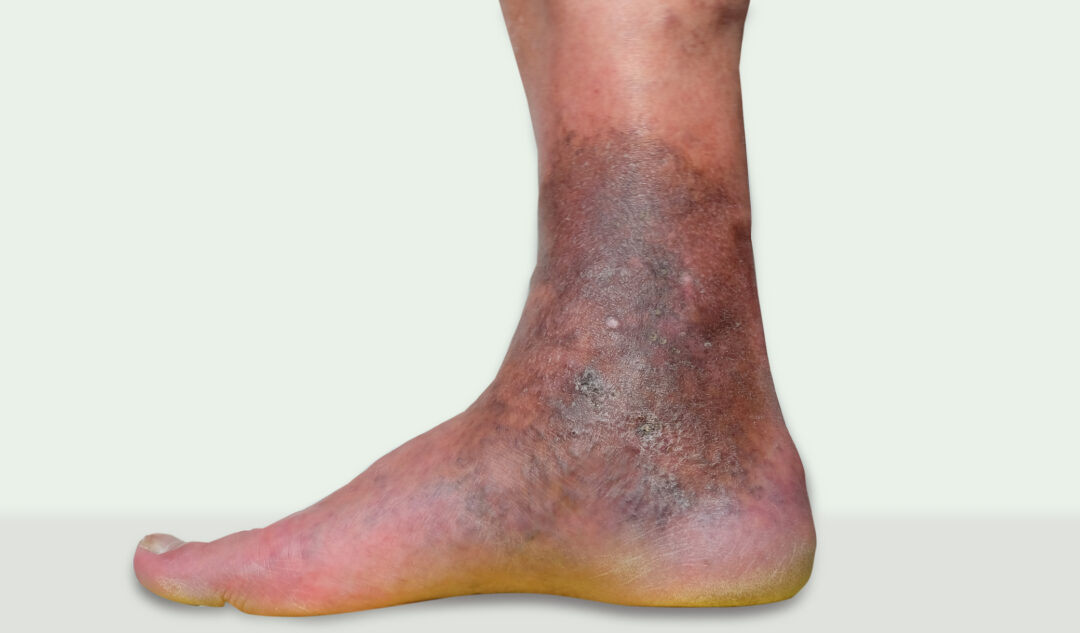
What to Do If You Have Varicose Eczema
What should you do if you have varicose eczema?
First and foremost, you should seek a medical opinion, preferably from a vein specialist. Varicose eczema is considered to be a serious medical condition. You have time to seek proper medical treatment, as it is not urgent–just don’t put it off too long.
What are the Home Remedies for Varicose Eczema?
The following home care practices may help reduce the symptoms of varicose eczema and help prevent them from worsening:
- Avoid injuring your skin – Injuries to your skin could lead to painful ulcerated areas.
- Raise your legs when you’re resting – Propping up your feet on some pillows (ideally so that they’re above the level of your heart) can help reduce swelling.
- Be physically active – Exercise will improve your circulation and help you maintain a healthy weight.
- Use a moisturizer — The last thing you want is dry, itchy skin that you want to scratch.
- Consider wearing compression stockings — You can order these to fit from your local durable medical supply.
Can Varicose Eczema be Cured?
Most of the time, varicose eczema can be cured with non-invasive procedures under local anesthetic in an outpatient clinic setting. These include procedures such as laser, radiofrequency, foam sclerotherapy, or superglue.
However, if the varicose eczema has been a problem for many years, the skin may have been damaged beyond the body’s capacity to heal. There may also be permanent scarring. In that case, even if the underlying vein problem is cured, the skin may never return to normal. That’s why the sooner the veins are dealt with, the better.
Can’t I Just See My Dermatologist?
While dermatologists or GPs may have a lot of experience and knowledge of skins conditions, you can really only rely on them to make a diagnosis and help ease the itchy symptoms. After that, you will need the advice of a vein specialist so that the underlying vein problem can be treated and the underlying issues with veins dealt with. Long-term use of steroid creams, which can seem helpful in the early stages should be avoided, as they actually thin the skin, making it more vulnerable to injury.